22/10/2026 15:49
Inside Width or Outside Rim? Telegram Quizzes for Cambodian Storage-Basket Shops
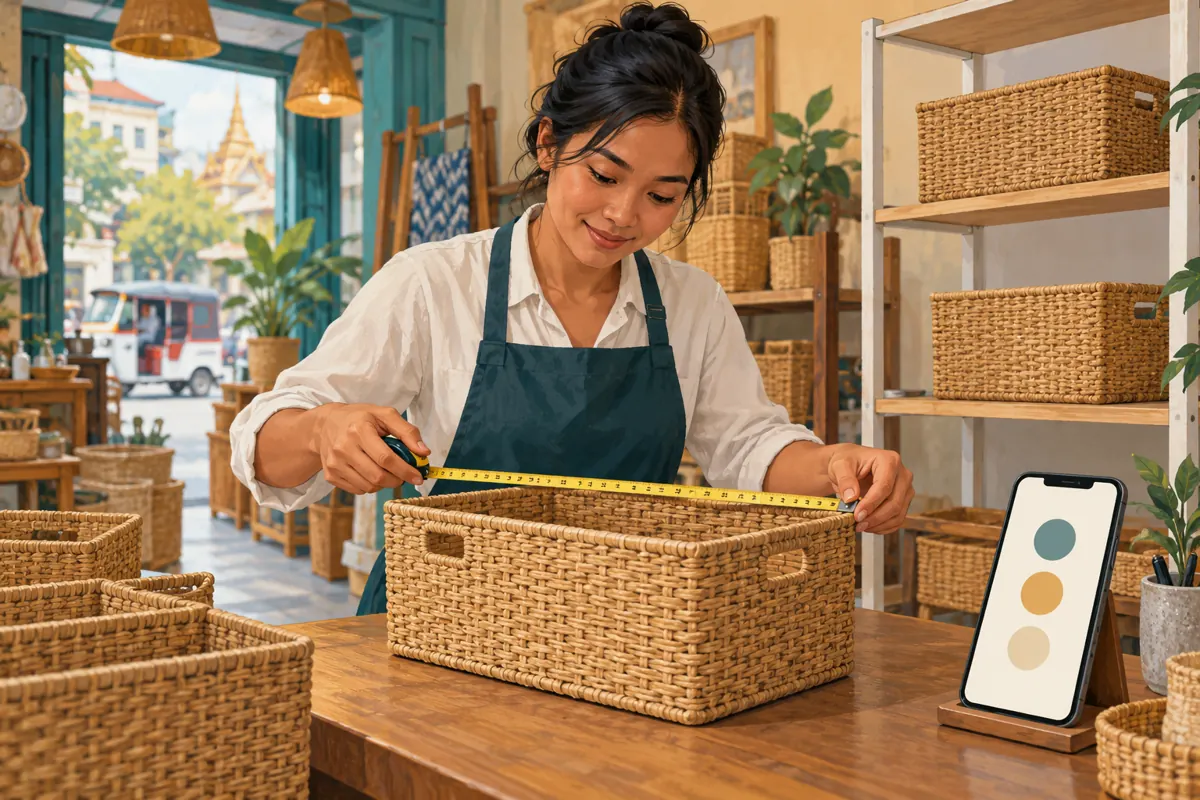
A storage basket can look perfect in a promotional photo and still fail to fit a customer's shelf. The confusion often starts with one word: width. Does the seller mean the inside opening, the outside rim, or the widest point including handles? For a Cambodian housewares business promoting woven baskets through Telegram, a short educational quiz can make that distinction concrete. This workflow turns a common sizing question into a useful lesson, then gives interested readers a clear route to an individual fit check. It also explains why quiz responses, purchased engagement and confirmed orders must remain separate in an SMM panel customer's records.
1. Choose a question with a verifiable answer
Begin with a misunderstanding that staff can demonstrate using an actual product. For this article's hypothetical Phnom Penh basket shop, customers sometimes send the width of their shelf opening while referring to a basket's internal measurement. The educational objective is narrow: help readers identify the outside measurement needed when checking whether the basket can enter that opening.
A quiz suits a factual distinction. A preference question such as which weave looks nicer belongs in an ordinary poll because the shop cannot legitimately mark one taste as correct. Likewise, a question about whether a particular customer's basket will fit needs more information than a public quiz can collect.
Write the intended learning outcome before composing the post: after reading the explanation, a customer should know which edges to measure. This keeps the activity useful even when the reader never votes or buys anything.
2. Establish the product facts before writing choices
Place one sample basket on a clear counter. Check its outside width, depth and height, including any protruding handles or rim. Separately note the internal opening. Use the same units throughout the demonstration and identify the sample clearly, so a later stock photograph cannot accidentally stand in for a different shape.
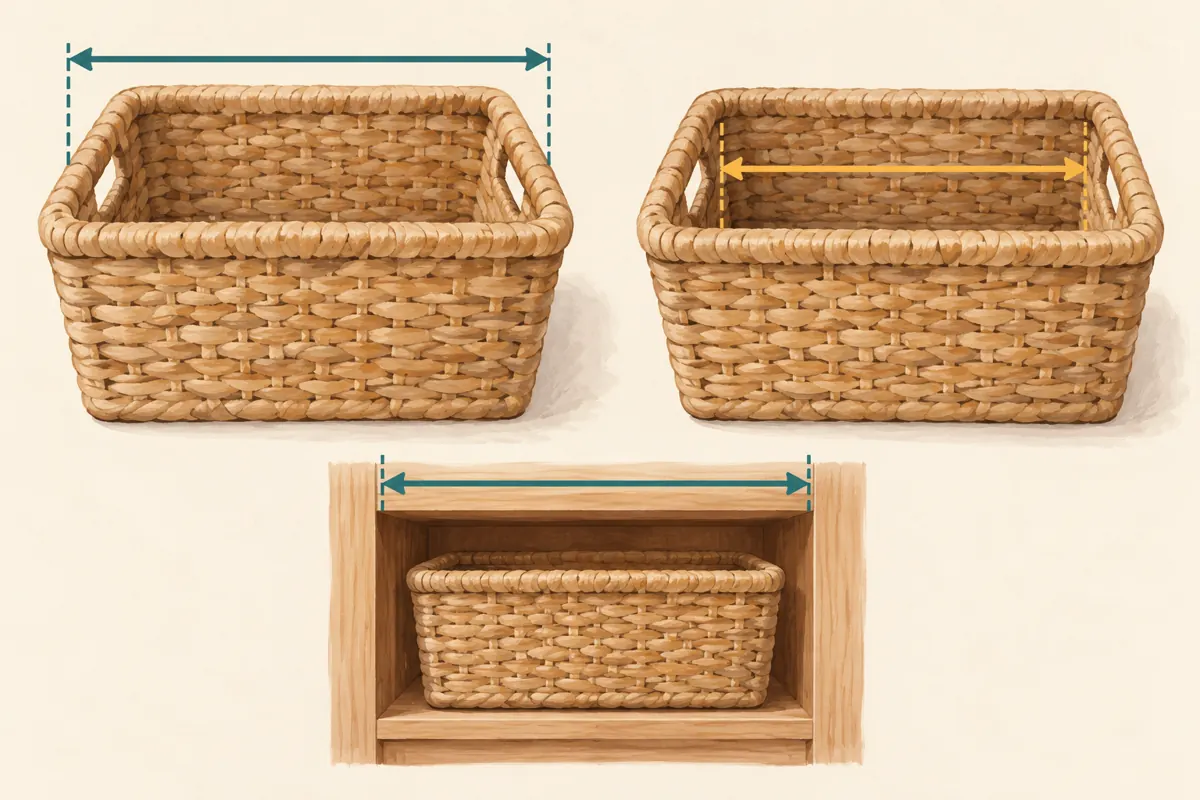
For a hypothetical example, imagine a basket with a 28-centimetre internal opening and a 32-centimetre outside width. These are invented teaching dimensions, not specifications for an available item. A customer comparing only the smaller figure with a shelf opening could reach the wrong conclusion. The lesson concerns which measurement to compare; it does not establish that any particular shelf will accommodate the basket.
For real enquiries, check depth, height, access and usable clearance as well. Woven items may differ between individual pieces. Avoid presenting the photographed sample as a guarantee that every basket bearing the same product name has identical dimensions.
3. Write a complete question and meaningful alternatives
A suitable hypothetical question is: For the basket shown, which basket measurement should you compare with the shelf's clear opening width when checking side-to-side fit? The options could be outside width at the widest point, inside opening width, and width of the base only. Mark the first answer as correct after checking that the photograph supports it.
Each alternative represents a plausible misunderstanding. That makes the explanation valuable without making the reader feel trapped. Avoid humorous nonsense options, a correct answer that is conspicuously longer than the others, or wording that requires specialist furniture vocabulary.
Keep the question understandable without relying on colour alone. If the accompanying image uses arrows, describe their endpoints in the surrounding text. For a Khmer-speaking customer audience, have a fluent staff member review the customer-facing wording, especially the distinction between inside and outside. Preserve the measurement units and the meaning of every answer during translation.
4. Configure the quiz deliberately
Telegram documents creating polls in groups and channels through the attachment menu. Start in a private staff test group, choose Poll, and prepare the question and options using the quiz settings available in your app. The original feature documentation provides the basic creation route. [Telegram poll creation guide](https://telegram.org/blog/polls-2-0-vmq).
Do not assume that every quiz must now have exactly one correct option. Telegram's March 2026 update added broader controls, including quizzes with multiple correct options and revoting. For this particular lesson, deliberately configure one correct answer. Review voter visibility and any retry setting before sharing. [Telegram's updated poll features](https://telegram.org/blog/ai-editor-mighty-polls-and-more).
An anonymous learning exercise is a sensible choice when individual identities serve no purpose. Tell participants what kind of activity they are joining. Keep the first version simple: one question, one photograph and one explanation. Extra settings should solve a specific teaching problem rather than make a short product lesson feel like an examination.
5. Make the explanation more useful than the score
Telegram supports explanations that give respondents context after answering a quiz question. Use that space to explain the measurement decision rather than merely congratulate correct answers. [Telegram quiz explanations](https://telegram.org/blog/400-million).
For the hypothetical example, a concise explanation could read: Compare the basket's widest outside point with the shelf opening. The inside opening describes usable space within the basket. Check depth, height and clearance separately. Test how the explanation appears on the phones your staff use; move supporting detail into an accompanying post if necessary.
Follow with an image showing the actual measurement endpoints. A longer teaching note can explain that a rim or handle may extend beyond the base. Avoid a universal clearance recommendation unless the shop has a sound basis for that particular product and use. The practical next step is to obtain the customer's measurements and inspect the relevant item, not to infer fit from a correct quiz response.
6. Run a staff test before public promotion
Ask a colleague who did not write the quiz to read it on a phone. Have them explain what they believe the question asks before selecting an answer. If they interpret width differently from the author, revise the wording or photograph. This reveals ambiguity more effectively than asking whether the post looks good.
Check the correct and incorrect answer experiences with consenting staff testers. Confirm that the intended option is marked correctly, the explanation is accessible, and the displayed voter visibility matches the plan. Check that the basket in the photograph is the same sample used to establish the facts.
Also inspect the post as an ordinary reader would see it. Can the measurement endpoints be distinguished without excessive zooming? Is the question understandable when encountered separately from earlier shop announcements? If the lesson depends on information that readers are unlikely to see, include that information before promoting the quiz.
7. Publish the lesson with a separate enquiry route
Introduce the activity as a quick sizing lesson. Explain that answering does not reserve a basket, request delivery or confirm availability. Place a separate invitation nearby for readers who want help checking a real shelf. This lets casual learners participate without being treated as sales leads.
For the hypothetical shop, the enquiry prompt might ask for clear opening width, depth and height, the preferred basket reference, and a photograph showing any obstruction. Request those details privately. A useful shelf photo should not require the customer to reveal their household, address or other identifying information.
Assign someone to handle these enquiries during the period when staff share the lesson. That person should confirm which measurements have been received and what still needs checking. A correct quiz answer can start a useful conversation, but only an individual product review can establish whether the shop can recommend a suitable item.
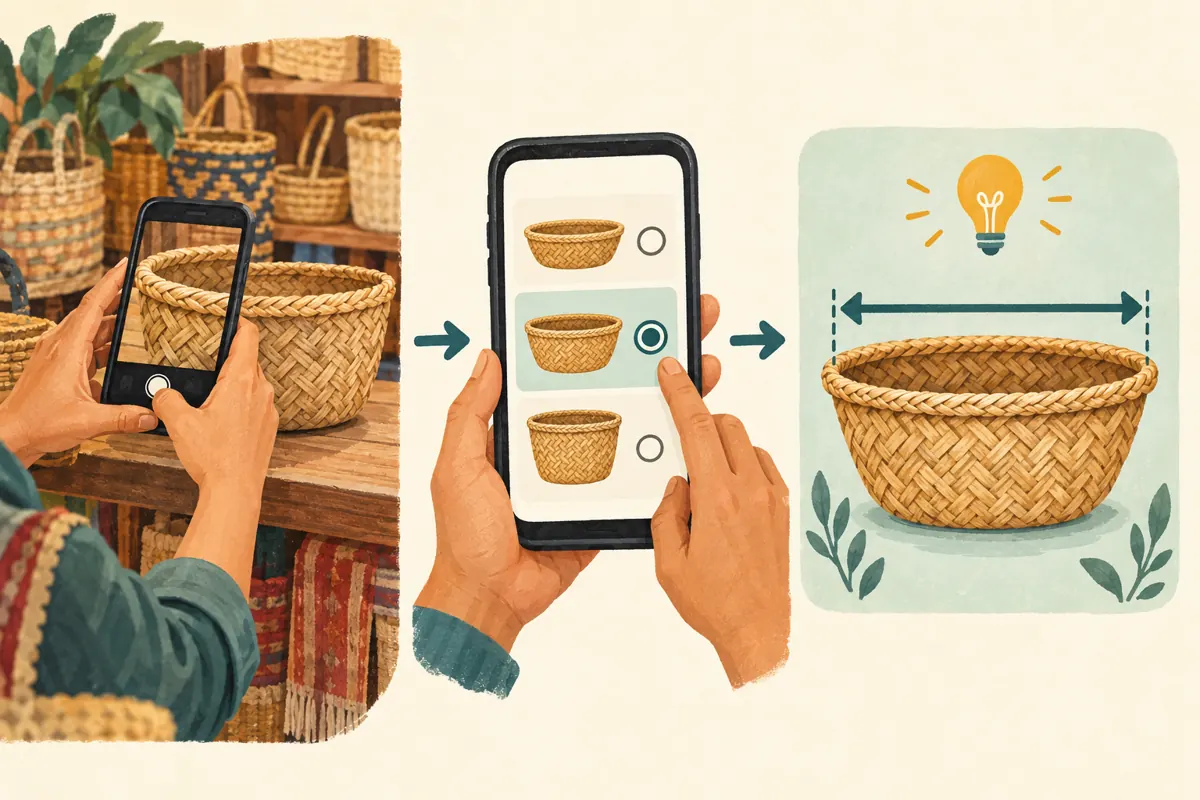
8. Keep SMM service labels outside the learning evidence
The supplied smmchhean.com catalogue includes the exact public label Telegram Members ~ Auto Views New Post ~ 3 Days ~ 10k-50k Days ~ Instant ~ 𝗥𝗘𝗙𝗜𝗟𝗟 3D. Its wording refers to members and automatic new-post views. The supplied description is empty, so the label alone does not verify delivery behaviour, audience origin, timing or any other implied promise.
That listing does not establish a quiz-response service. Do not assume it supplies correct answers, interested household buyers or Cambodian participants. If considering a separate service request, verify its current documented scope and applicable platform rules before proceeding. Choosing not to order is a valid outcome when the service cannot support the actual objective.
Purchased engagement is not evidence of understanding, genuine interest, sales, ad delivery or Cambodian users. Keep any service order and delivery record apart from observations about the quiz. Never present a change in member or view counts as proof that customers learned how to measure a shelf.
9. Review confusion before drawing business conclusions
After sharing the lesson, collect the questions that people voluntarily ask. Look for specific misunderstandings: measuring between the wrong shelf edges, omitting handles, or sending the basket's internal width instead of the shelf opening. These observations can guide the next demonstration without requiring a claim about the entire audience.
Treat quiz results as limited feedback. Respondents choose whether to participate, some may guess, and the same person may understand the idea differently after reading the explanation. If retries were allowed, a later correct answer cannot be treated as an untouched first attempt. Low participation also does not prove the lesson was useless; some people may simply read it.
Keep three records distinct: content changes, voluntary enquiries and confirmed transactions. Record an order only when the business's normal confirmation process is complete. For a small shop, a short note describing the unresolved sizing question is often more actionable than a percentage presented without context.
10. Correct mistakes and maintain a usable lesson
Common errors include marking the base width as sufficient when the rim is wider, mixing centimetres and millimetres, and changing the sample photograph without checking the explanation. Another mistake is turning an anonymous exercise into a request for participants to identify their answers publicly. None of these problems is solved by attracting more views.
If the answer key or product facts are wrong, stop directing readers to that version. Publish a clear correction and a checked replacement where needed, explaining the factual change. Do not quietly reinterpret the original question to make an incorrect answer seem intentional. Keep staff replies consistent with the corrected lesson.
Review the lesson when the shop introduces a differently shaped basket or changes its product information. Keep the general measuring principle reusable, while separating it from current stock and price information. That gives staff a stable educational resource and leaves individual availability checks where they belong: in the buying conversation.
Frequently asked questions
Should a basket shop use a quiz or an ordinary poll?
Use a quiz when the answer can be checked against a clear fact, such as which dimension includes the outside rim. Use an ordinary poll for preferences such as colour or weave. If several answers could reasonably be correct, narrow the question or choose a format that acknowledges that complexity.
Does a correct answer mean the customer's basket will fit?
No. It only shows the selected answer to that question. Actual fit also depends on depth, height, protrusions, access and the individual item's dimensions. Obtain the relevant measurements and check the product separately before recommending it or confirming an order.
What if customers find the quiz confusing?
Ask which words or image details caused uncertainty. Replace ambiguous terms with descriptions of the actual edges being measured, and show those edges clearly. If the question needs a lengthy defence, simplify it. The purpose is to explain a useful distinction, not to prove that the original wording was technically defensible.
Can a Telegram member or view service demonstrate that the lesson worked?
No. A service delivery record cannot establish comprehension, customer location or buying intent. Evaluate the lesson through its factual accuracy and the specific questions readers voluntarily raise. Keep any purchased activity separate, and do not describe changes in visible counts as proof of educational or commercial results.
How should staff respond when someone submits measurements after the quiz?
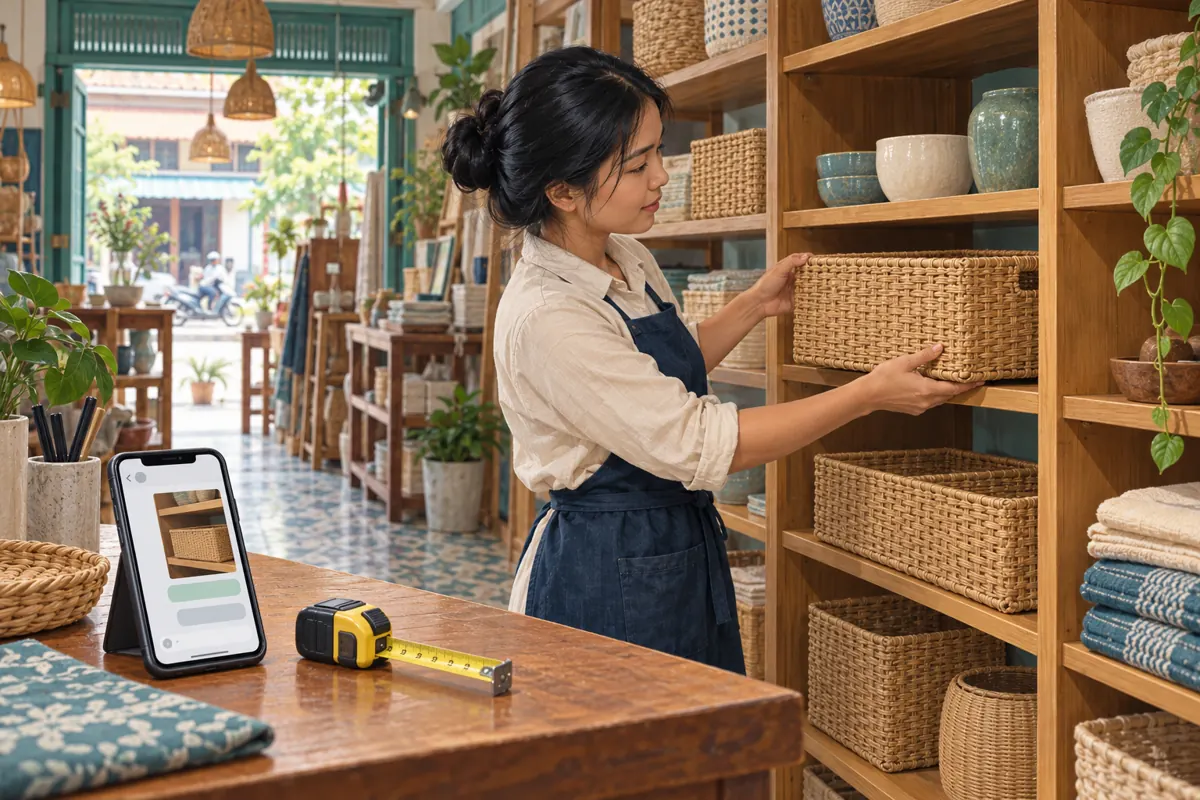
Acknowledge the enquiry, identify the basket reference and clarify which dimensions describe the shelf. Ask for missing information privately, then check the relevant item. State whether fit remains uncertain. Confirm stock, collection or delivery details through the shop's usual process rather than treating participation as a reservation.
Explore the current service catalogue, create an account, or ask a specific question through support tickets.
- Telegram: Polls 2.0 — Visible Votes, Multiple Answers, and Quiz Mode
- Telegram: Better Quizzes — Explanations for Quiz Answers
- Telegram: AI Editor, Mighty Polls, Live Photos, Bots Managed by Bots, and More
Prepared with AI assistance. Illustrations explain the workflow and do not represent customer results.